



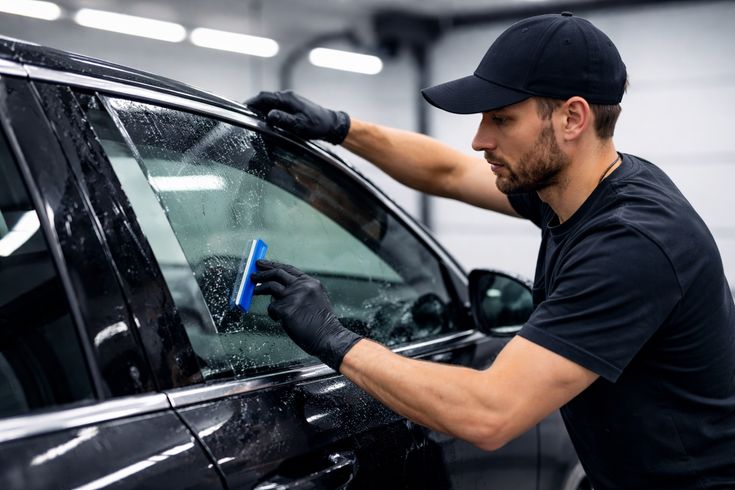
Your car is more than just a mode of transportation; it’s an investment that reflects your personality and style. Keeping it in pristine condition can be challenging, especially with the daily wear and tear from road debris, UV rays, and environmental factors. Enter Paint Protection Film (PPF)—a clear shield designed to protect your vehicle’s paint job while maintaining its aesthetic appeal.
But what exactly is PPF? Simply put, it’s a durable film applied to the exterior surfaces of your car to guard against scratches, chips, and stains. As car enthusiasts seek ways to preserve their rides’ value and appearance for years to come, PPF has gained popularity as a viable option. But does this protective layer warrant the price tag? Let’s dive deeper into the benefits of PPF for car owners and explore whether this investment pays off in the long run.
Benefits of PPF for Car Owners
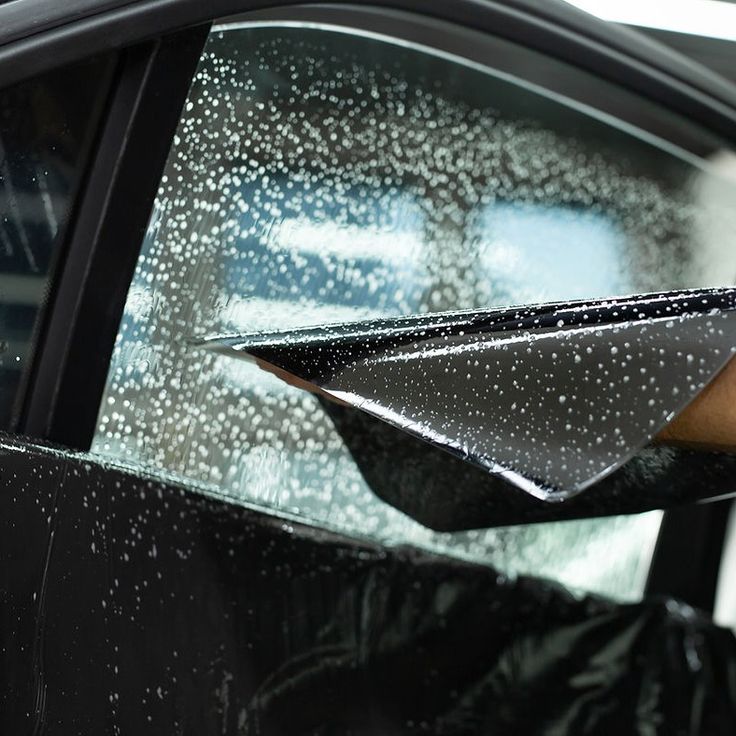
Paint Protection Film (PPF) offers a shield for your vehicle, preserving its exterior against scratches, chips, and other damage. This clear film acts as a barrier between your car’s paint and the elements.
One of the standout benefits is self-healing properties. Minor scratches can disappear with heat exposure, keeping your car looking pristine without constant maintenance.
Another advantage is UV protection. PPF wrap helps prevent fading and discoloration caused by sun exposure, maintaining that showroom shine for years.
Additionally, applying PPF can enhance resale value. A well-protected vehicle attracts buyers who appreciate a cared-for finish and are willing to pay more.
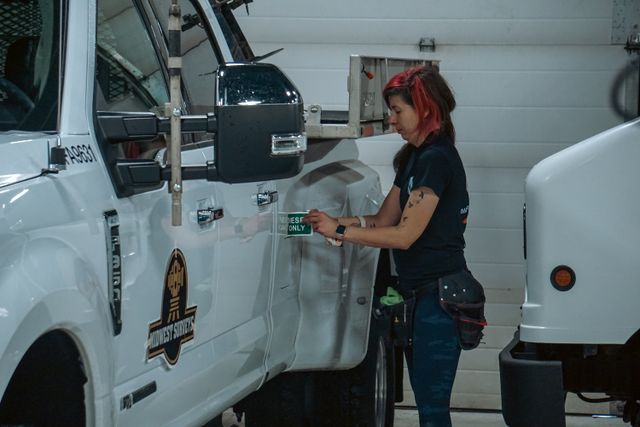
Installation options vary widely. Professional application ensures longevity while DIY kits offer flexibility for hands-on enthusiasts ready to tackle their car care independently.
Cost Analysis: Is PPF Worth the Investment?
When considering paint protection film (PPF), cost is a crucial factor. The initial investment can be significant, often ranging from $1,000 to $4,000 depending on your vehicle’s size and the film quality.
However, think about the long-term benefits. PPF acts as a shield against scratches, chips, and fading caused by UV rays. This kind of protection can help maintain your car’s value over time.
Repairing or repainting damage may cost you more than applying PPF in the first place. So while it seems expensive upfront, many find that it pays off when they avoid costly repairs later.
Moreover, some insurance policies may cover part of the installation expense if you opt for this protective measure. Weighing these factors helps clarify whether investing in PPF aligns with your priorities as a car owner.
Factors to Consider When Choosing PPF
Choosing the right paint protection film requires careful thought. Start by assessing the type of material used in the film. Some options are thicker and offer more durability, while others may be lighter but equally effective.
Look at the clarity of the film as well. A high-quality PPF should be nearly invisible once applied, preserving your car’s aesthetic appeal without altering its color or shine.
Consider how easy it is to install and remove. Professional installation can save you time and ensure a perfect fit, but some films allow for DIY application if you’re feeling handy.
Don’t forget about warranty options too. A longer warranty often indicates better quality and confidence from manufacturers in their product’s longevity against wear and tear.
Research customer reviews on different brands to gauge real-world performance before making your decision.
Alternatives to PPF
While PPF is a compelling option for many car owners, it’s not the only choice available. There are several alternatives that might fit your needs and budget better.
Ceramic coatings provide a durable layer of protection against scratches and UV rays. They create a hydrophobic surface that repels water and dirt, making maintenance easier. However, ceramic coatings often do not offer the same level of protection against physical damage as PPF does.
Waxing is another popular method for protecting paintwork. It provides a shiny finish while offering some degree of protection from environmental factors like dirt and moisture. The downside? Waxing requires regular reapplication to maintain its effectiveness.
Vinyl wraps can also be considered if you’re looking to change the color or design of your vehicle while offering some protection at the same time. While they can guard against minor abrasions, they may not withstand impact as well as PPF.
The right choice depends on your specific circumstances—your driving habits, environment, and personal preferences all play significant roles in deciding how best to protect your vehicle’s appearance over time.