



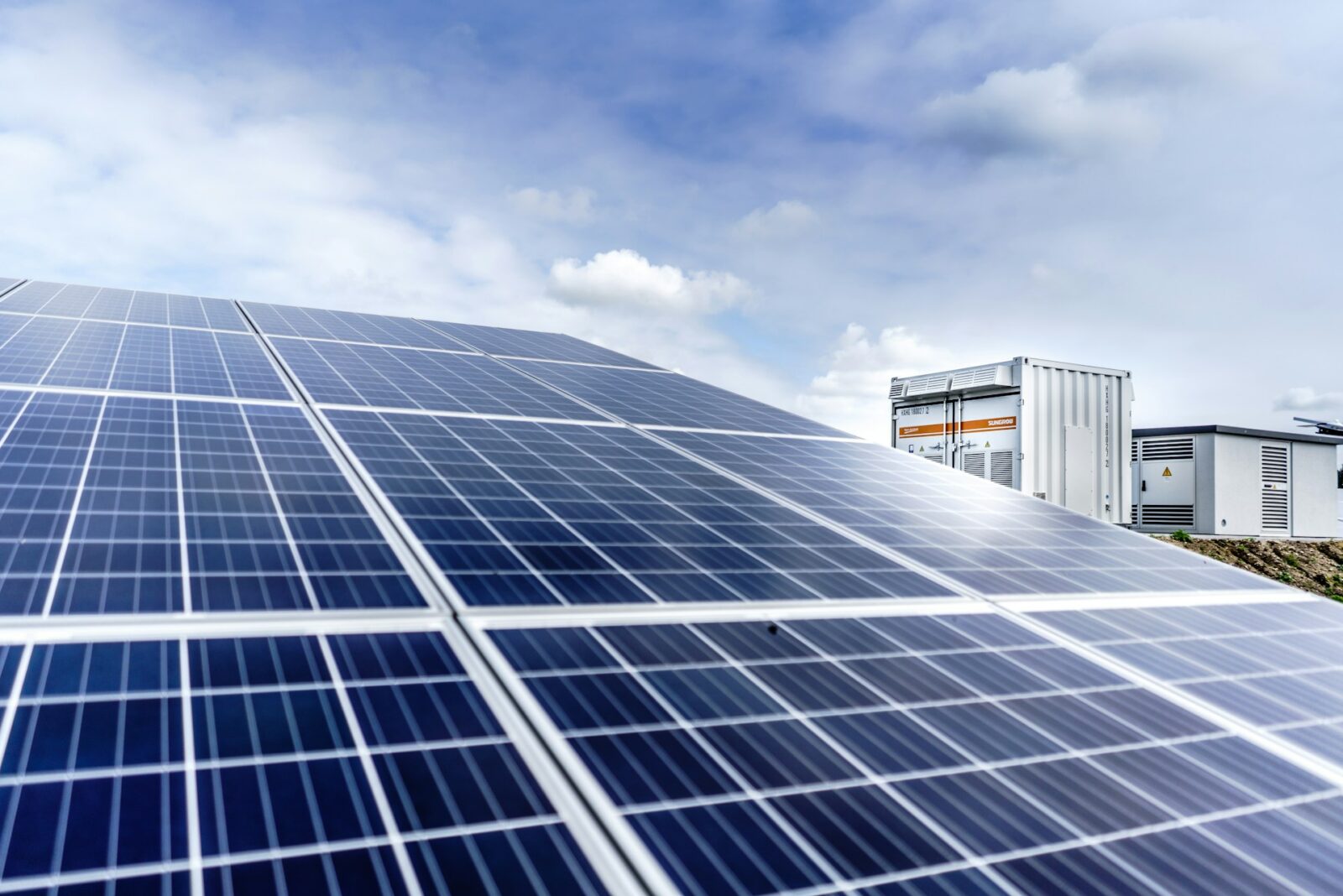
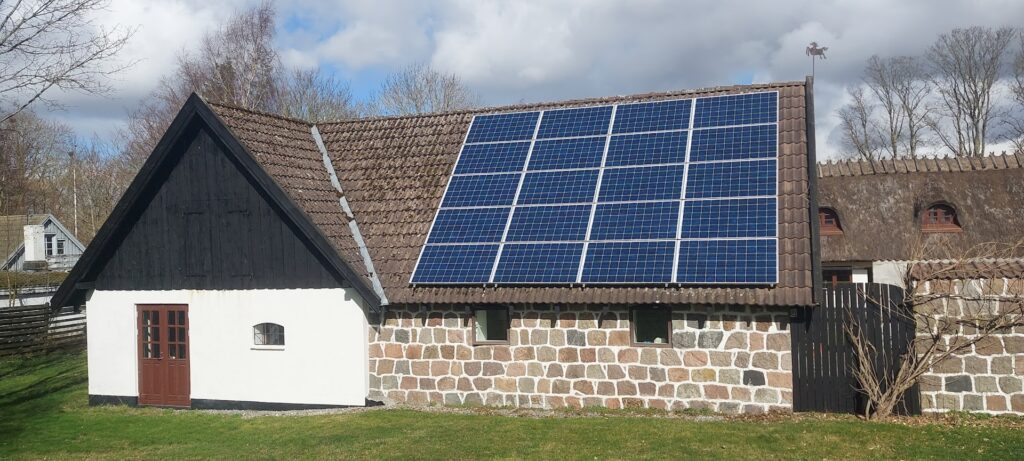
Imagine a world where your home generates its own energy, powering everything from lights to appliances without relying solely on the grid. This isn’t just a dream; it’s becoming a reality for many homeowners thanks to solar energy. With rising electricity costs and growing concerns about climate change, more people are turning towards renewable sources of power. Solar panels have gained immense popularity, transforming rooftops into miniature power stations.
But there’s even more to consider beyond just solar panels. The integration of battery storage has become crucial in maximizing energy efficiency and ensuring you have power when you need it most. Let’s explore how these essential solar and battery solutions can revolutionize your home while contributing positively to the planet!
The Rise of Solar Energy
The surge in solar rebate sceme from SA adoption over the past decade has been remarkable. As technology advances, solar panels have become more efficient and affordable, making them accessible to a wider audience.
Increased awareness of environmental issues is driving this change. Homeowners are seeking sustainable solutions that reduce their carbon footprint. Solar energy presents an attractive option for those looking to contribute positively to the planet.
Government incentives and rebates further sweeten the deal. Many regions offer financial assistance for installing solar systems, reducing upfront costs significantly.
Additionally, innovations in design mean that modern solar panels can blend seamlessly with home aesthetics. This makes it easier than ever for homeowners to embrace renewable energy without sacrificing style or function.
As demand grows, so does investment in research and development within the industry. The future looks bright as more households make the switch to harnessing the power of sunlight.
Advantages of Going Solar for Homeowners
Switching to solar energy offers homeowners a host of benefits. Lower electricity bills are among the most enticing advantages. By harnessing the sun’s power, you can significantly reduce monthly expenses.
Environmental impact is another compelling reason to go solar. Utilizing renewable energy helps decrease reliance on fossil fuels and lowers your carbon footprint. This shift contributes to a cleaner planet for future generations.
In addition, many governments offer incentives for solar installation. Tax credits and rebates make it more affordable than ever to invest in this technology.
Solar panels also increase property value. Homes equipped with these systems often attract buyers who prioritize sustainability and cost savings.
Energy independence is achievable with solar power. Homeowners gain control over their electricity source, reducing vulnerability to fluctuating utility rates or outages.
Types of Solar Systems Available
When exploring solar options, homeowners encounter several types of systems. Each serves unique needs and preferences.
Grid-tied systems are the most common. They connect to the local utility grid, allowing users to draw power when needed and sell excess energy back. This setup can significantly reduce electricity bills while ensuring a reliable power supply.
Off-grid systems cater to those seeking independence from utility companies. These installations rely solely on solar energy, making them ideal for remote locations or eco-conscious homeowners wanting self-sufficiency.
Hybrid systems combine both approaches. They feature battery storage for surplus energy, providing backup during outages and reducing reliance on the grid without compromising convenience.
Community solar projects offer shared benefits for multiple households without individual installations. Homeowners can invest in off-site solar farms and receive credits on their electric bills based on production—an innovative way to harness clean energy collectively.
Understanding Battery Storage
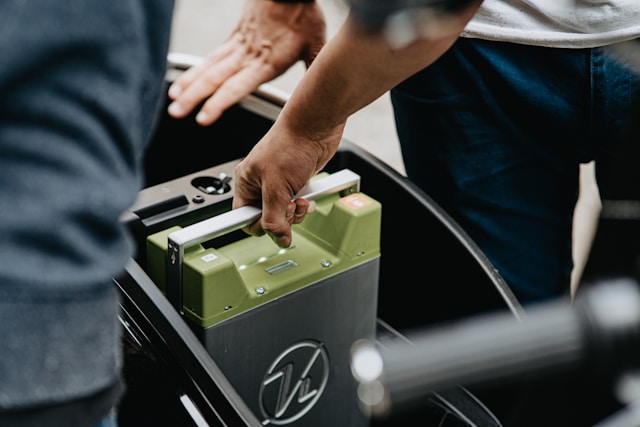
Battery storage systems allow homeowners to harness the power generated by their solar panels more efficiently. With excess energy stored, they can draw on this reserve when sunlight isn’t available.
These systems come in various sizes and technologies, from lithium-ion to lead-acid batteries. Each type has its benefits depending on your energy needs and budget.
Installing a battery system means you’re not solely reliant on the grid; it adds an extra layer of security during outages. Imagine having power even when the rest of your neighborhood is dark.
Moreover, battery storage enhances potential savings by allowing you to use stored energy during peak hours when electricity costs are higher. It’s an investment that pays off in both convenience and sustainability for eco-conscious homeowners looking to optimize their energy consumption.
Why Battery Storage is Essential for Homeowners
Battery storage has become a crucial component for homeowners considering solar energy. It allows you to harness the power generated during sunny days and use it when the sun isn’t shining. This flexibility means you can reduce reliance on the grid, ultimately saving money on electricity bills.
Moreover, battery systems provide backup power during outages. This peace of mind is invaluable, especially in areas prone to extreme weather or frequent blackouts. Homeowners gain autonomy over their energy needs, ensuring that everyday life remains uninterrupted.
Additionally, integrating battery storage with your solar system enhances overall efficiency. It maximizes energy usage by storing excess power rather than sending it back to the grid at lower rates. You get more value from your investment while contributing to a sustainable future.
As technology continues to evolve, battery solutions are becoming more accessible and affordable. Investing in a quality system now positions homeowners well for long-term savings and resilience against rising utility costs. The shift toward renewable energy is not just beneficial; it’s essential for those looking to create a self-sufficient home environment where clean energy plays a pivotal role in daily life.