



A lot of people who book their first osteopathy appointment have spent months managing pain with over-the-counter medication. Many of them delay getting a proper diagnosis of what’s really going on. A Chelsea Heights osteo isn’t just about getting quick pain relief. It’s actually a proper clinical assessment and treatment process, all done by a fully qualified health professional.
Why Osteopathy Is Way Different to What Most People Think?
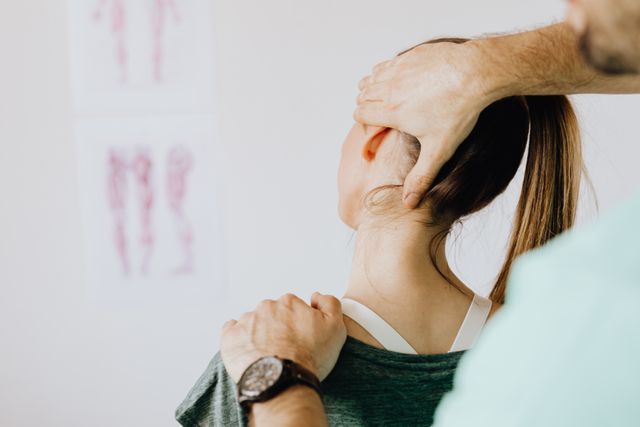
Osteopathy is a real profession in Australia, registered with AHPRA, and its practitioners have spent a minimum of five years at university before they can even start practising. The way it works is way more than just cracking your back. We look at how you move, your posture, your joints, your muscles, and even your lifestyle.
It’s a bit handy that Chelsea Heights is in an area with so many active people, tradespeople and families all living here. Each one of those groups comes up with some pretty unique musculoskeletal problems. A carpenter’s got his own set of issues compared to a teenager who’s been stuck on their phone all day. Treatment has to be tailored to what each individual needs.
The Sorts of Things Osteopaths in Chelsea Heights Usually Treat
We get a lot more types of problems in our clinics than you might expect.
- Pain in the lower back, stiffness in the neck or restricted shoulders, all the usual suspects for people who work at a desk or do a lot of manual work.
- Sports injuries the likes of ankle sprains, knee pain and hip impingement that affect the people using the local foreshore trails and sporting facilities.
- The strain from all that screen time is a real issue for the kids these days.
- Pregnancy-related pelvic discomfort, problems with the pubic symphysis and postpartum recovery, all the usual stuff.
- Headaches that start in the neck that actually respond really well to some hands-on work.
How an Osteopath Will Actually Assess You?
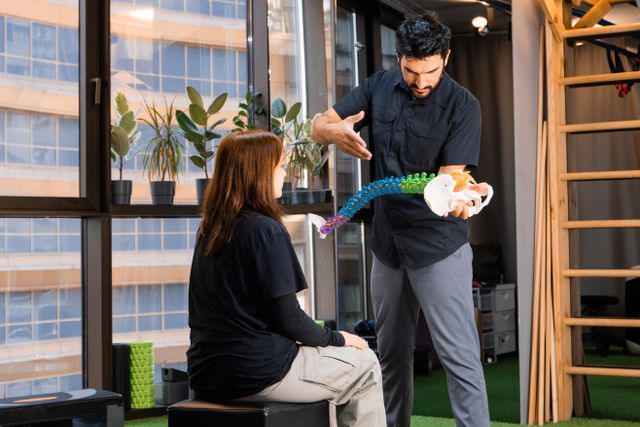
We start by getting a really good understanding of your history. This includes what’s been going on with your injuries, your sleep, what you do for a living and what other treatments you’ve tried before. Then we rule out any serious health issues with some orthopaedic and neurological tests before we even start getting our hands on you. We observe how you stand and how you move to get an extra bit of information that all the X-rays in the world can’t give us.
Then we work out a treatment plan that’s tailored to you. What works for a 28-year-old runner is going to be different to what works for a 65-year-old trying to manage some arthritis. Our approach has to be adjusted accordingly.
Dry Needling, Cupping and Exercise Prescription, It’s Not All Just Hands-On Treatment
A lot of our Chelsea Heights osteopaths have also done some extra training in dry needling, which lets us target those knotty trigger points in your muscles that just won’t budge no matter how much massage you get. Cupping is useful for the more superficial restrictions in your fascia. It’s especially useful when we combine it with joint mobilisation.
Exercise prescription is another important part of treatment. We can’t just give you a bunch of tricks to help you in the clinic and then send you on your way. You also need the strength and mobility to stay healthy long term. Sometimes we recommend Clinical Pilates to help you bridge the gap between the clinic and your daily life.
Picking the Right Osteopath in Chelsea Heights
First things first, you’ll want to check if they’re registered with AHPRA. You can easily do this by having a peek at the public register before you book an appointment. When it comes down to it, not every osteopath is created equal. Some are more skilled in dealing with kids, sports injuries, or women’s health issues than others.
Word of mouth is usually a pretty good guide. Local GPs, the sports club you’re at, or any friends who’ve actually been to see this osteo are all worth asking for a recommendation. That approach is far more reliable than trying to figure out who’s got the most online reviews. If you see an osteo working alongside a GP, physio, or other health pros, then that’s usually a good sign. It means they’re not just one person working on their own. They’re actually working together with others to get the best results for their patients. That usually leads to better outcomes if you’ve got a complex or ongoing issue.