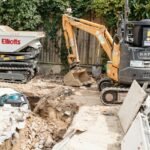



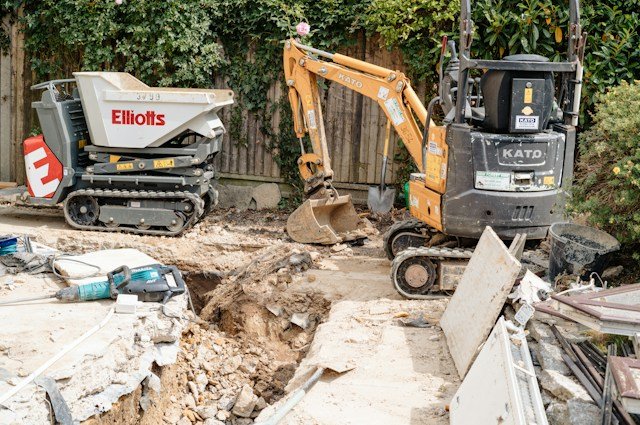
Australia is investing a lot in improving its current residential buildings. According to the figures provided by the Australian Bureau of Statistics concerning building activity, residential alterations and additions rose to $4,119.0 million for the quarter ending in June 2026. This was an increase of 12.6% compared to the same quarter of the previous year. Most of these improvements are done through the side gates, which are usually very narrow to allow a standard-sized excavator access.
Why Mini Loaders Have Taken Over Backyard Projects?
Compact tracked loaders might be annoyingly big for some tight spaces, but they can squeeze through gaps that are barely wide enough to push a bike through; so, through a doorway. The person operating it stands up on a platform at the back of the machine, which keeps the whole thing nice and short, so it’s easy to turn around. They spread the weight out using those big rubber tracks, which usually means your lawn survives the visit in one piece, much better than if a bigger machine was out there.
Attachments are the key to these machines being so versatile, and a big selling point of any dingo digger for sale. With the right kit on the back, you can switch up and do all sorts of jobs; the one unit can turn into:
- A bucket for moving or digging up soil
- An auger for sticking fence posts in or making footings for the house
- A trencher for running irrigation pipes or cabling
- Pallet forks for moving all the materials you need for your paving or building project
- A levelling bar for getting your turf or slab prepared
You see them used every day by landscapers, fencers and pool builders who need to get the work done quickly and neatly.
New, Used or Second-Hand: What’s the Best Option?
If you want a brand new machine, it comes with a warranty and all the latest features, but that price tag can be steep. Used machines cost a lot less, but you get what you pay for; the condition is all over the shop. Ex-hire units are somewhere in between, often serviced regularly, but they’ve been worked pretty hard.
Checking the engine hours is a good way to get a sense of what kind of past life the machine has had. Low hours with a complete service history is usually a good sign; it means someone looked after it. But if there are gaps in the records, that’s a good question to ask before handing over any cash.
Checking if there’s any money owed on the machine is just as important. You can check this on a thing called the Personal Property Securities Register to see if a lender has got a security interest on the item. It all depends on the equipment you’re after; not all of it can be searched by the serial number.
The Pre-Purchase Checklist
When you go to inspect the machine, you want to walk around it first and take a good hard look. The tracks are worth some extra attention because replacing them can be really expensive. Look for any cracks, missing lugs or uneven tension in them.
Next thing is the hydraulics. You want to check the oil around the fittings, that the hoses aren’t too damp and that the arm moves smoothly. If any of those things are wrong, that could be a sign of leaks or a tired pump.
Some other things to check include:
- Starting it up cold and watching for any smoke or rough running.
- Making sure the coolant level is okay and that the radiator isn’t all clogged up.
- Play in the pins and bushes at the arm joints; it shouldn’t be too loose or too tight.
- How worn out are the quick hitch and attachment mounts? They should be nice and smooth.
- The controls feel nice and responsive in all directions.
And then when you’re ready to take it for a spin, you want to see how it goes under load; sometimes a quiet idle can hide problems.
Transport, Licensing and Safety: Don’t Forget About It
If you need to move the mini loader, you’re going to need a trailer that can handle the weight and a tow vehicle that’s been rated for the combined weight. And on public roads you’ve got to follow the rules; that means load restraint rules. You can use chains, ratchet straps or just a solid anchor point to keep it all secure.
When it comes to operating the machine, you’ve got to think about workplace safety rules. You’ve got to treat it like any other piece of plant and make sure the person operating it is competent. That means understanding the stability limits, especially when you’re near slopes or working near a trench edge.
You should always lodge a free Before You Dig Australia enquiry before you start digging.
Running Costs Beyond the Purchase Price
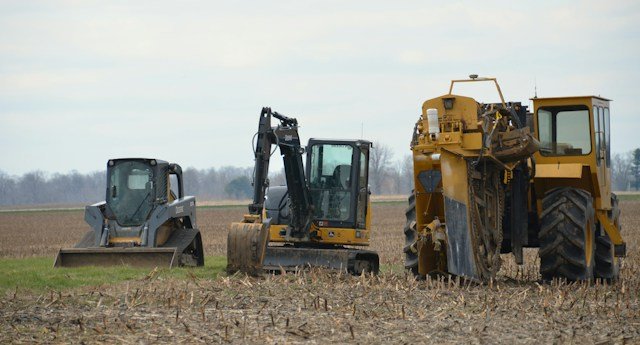
As soon as the sale is done, the costs just keep on keeping on; regular servicing, filters, oil and grease are all part of keeping the engine and hydraulics in good nick. But you also need to factor in replacing the tracks, the teeth and the cutting edge that get worn out. And then there’s storage and insurance, especially if you’re storing it on a trailer. Loads of owners make up for these costs by doing jobs for the neighbours or taking on a few small contracts.
Business owners might be able to claim some depreciation on their taxes, so it’s worth getting some advice from an accountant.