


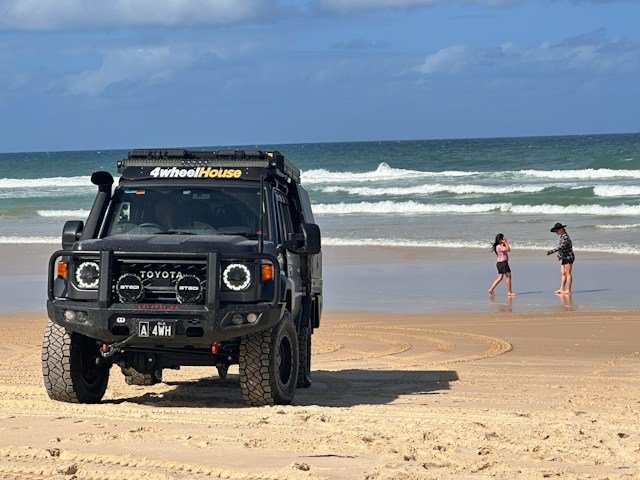
Just drive a couple of hours outside Perth at nightfall, and kangaroos will soon become a common occurrence on the sides of the road. Running into one at such a high speed could destroy a radiator and strand your vehicle miles away from the next town. This single hazard alone is enough to show why bull bars have become so popular in WA.
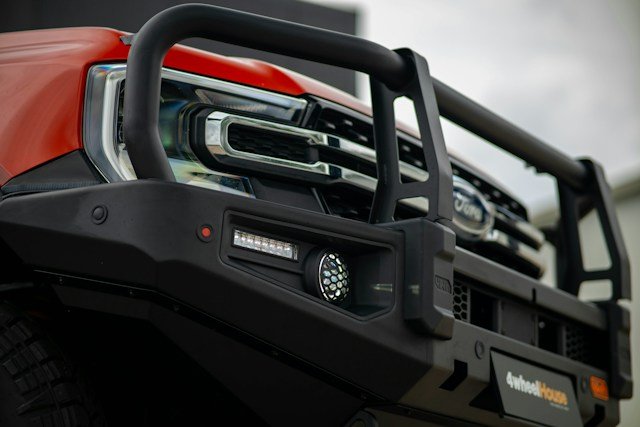
Reasons For Fitting Bull Bars In WA
Distance influences how WA motorists decide to prepare their vehicles. Farmers, miners, grey nomads and occasional camping enthusiasts frequently drive long distances where animals and livestock roam freely. A properly installed bull bar, sorted through professional bull bar installation Perth, protects the radiator, headlights and engine bay of the vehicle, increasing the odds of getting it to safety.
The additional benefits of the accessory include a convenient place to install driving lights, winches, UHF radio aerials and recovery equipment. For many regional motorists, it is a base for their vehicle preparations.
But installing one is not just about attaching steel to the front end of the car.
The Rules That Apply (And Why They Matter)
Bull bars need to meet Australia’s vehicle standards and the rules are in place for good reason. Don’t think you can just block your headlights, indicators or number plate though; that’s not cool. You can’t have sharp edges or weird shapes either; they just make for a nastier crash.
The size and position of the bar is pretty important too. If it sticks out too far or is in the wrong spot, it’s likely to attract a defect notice and the WA Department of Transport can demand you make some changes or get it inspected.
A reputable manufacturer will design a bar to fit a specific make and model; they won’t just churn out a generic one to fit anything. That makes the whole process so much easier and heaps more likely to get it right.
Bull Bars And Modern Tech, A Complicated Relationship
Your modern car is basically an electronic gadget on wheels; it needs all sorts of gadgets that older bull bars wouldn’t know about. Airbags fire because of how the front of the car crumples in a crash; a stiff bar can mess with that and either not fire or fire too early. The WA Department of Transport makes this pretty clear: if you want an airbag-equipped car and you want to fit a bull bar, you need to make sure it’s compatible with that particular model.
Before you buy a bar, try asking the seller for some proof it’s airbag-compatible; that’s a pretty big checkbox to tick off. Other things to consider:
- Radar for adaptive cruise control sits behind the front grille, so you don’t want that blocked.
- Parking sensors and front cameras might need to be fitted to the bar, so they don’t get in the way.
- Automatic emergency braking relies on sensors, which can be blocked by a bull bar, so that’s something to keep in mind.
Some cars even need their sensors recalibrated after a bar is fitted, but you can easily forget to do that and end up with safety systems not working as they should.
Steel, Aluminium Or Polymer, The Choice Is Yours (But Only If You Think About It)
The material used in the bar makes a big difference; it affects how it drives and how it handles bumps and scratches. Steel is tough and good for heavy off-road stuff, but it’s pretty heavy so it can put a lot of strain on the front springs. Some cars need those springs to be upgraded so they can handle the weight.
Aluminium is lighter and puts less strain on the suspension and steering, but it’s not strong enough for really heavy impacts. Polymer is light again and can absorb some bumps, but really it’s only good for low-impact stuff on sealed roads. It’s all about whether you drive on the coast or do a lot of off-road driving and how much weight your car is already carrying.
If you are driving a lot on the coast in Western Australia, then you’ve got to think about how salt air might affect your bar, especially if it doesn’t have a good finish and some decent corrosion protection.
Insurance, Warranty And Selling On
When you modify your car, you need to tell your insurer about it. If you don’t, it can give them grounds to reject a claim and that’s a real pain. Insurance policies are all different, so it’s best to read the fine print or ask the insurer directly.
And don’t even get started on warranties; if you modify your car and fit a dodgy bull bar that causes damage, the manufacturer can refuse to honour the warranty. If you get a professional to fit it and keep good records, then you’re in a much better position if there’s a dispute.