



With consistent brushing, flossing, and dental checkups, the majority of people are able to maintain healthy teeth. But occasionally, more substantial intervention is needed, which is when dental surgery becomes necessary. Surgical procedures are crucial for preserving long-term oral health, whether they involve treating gum disease, placing dental implants, or extracting impacted wisdom teeth.
The good news is that in recent years, dental surgery procedures have significantly improved. Digital imaging, minimally invasive techniques, and better anaesthesia alternatives have made formerly daunting surgeries much more doable for patients. Knowing what to anticipate can ease anxiety and make the process seem much more manageable.
Typical Procedures at a Carlton Dental Office
To serve the needs of the neighbourhood, a Carlton dental surgery usually offers a wide range of surgical procedures. Among the most frequent treatments are wisdom tooth extractions, especially for younger persons whose wisdom teeth are crowded or impacted. For individuals who have lost one or more teeth and want a durable, natural-looking replacement, dental implants are another well-liked choice.
Treatment for oral cysts or lesions, periodontal surgery to treat severe gum disease, and bone grafting to assist implant placement are examples of further surgical treatments. As part of their surgical and diagnostic services, many practices also provide oral cancer screenings, which is a crucial examination that no adult patient should skip.

Getting Ready for Your Appointment for Dental Surgery
Smoother treatments and quicker recovery are the results of thorough preparation before a surgical dental appointment. Before the appointment, your dentist or oral surgeon will give you particular instructions, such as fasting if sedation is being used, avoiding certain medications, and making arrangements for a ride home. You must carefully follow these guidelines for your comfort and safety.
It’s also useful to set up a cosy healing area at home with ice packs, soft snacks, and any necessary prescription drugs. The recovery period following dental surgery is often brief, but how quickly you recover depends greatly on how easy you are for the first day or two.
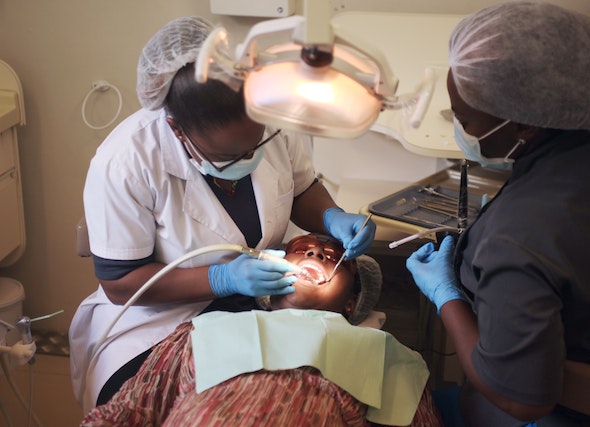
Recuperation and Aftercare After Dental Surgery
Following dental surgery, proper aftercare is equally as crucial as the actual procedure. Your dentist will provide you comprehensive post-operative instructions that address topics such as diet, pain control, maintaining good dental hygiene while recovering, and warning indications that could point to a problem. Carefully following these guidelines reduces the chance of infection and speeds up healing.
Depending on how complicated the treatment is, most patients make a full recovery and return to their regular activities in a few days. To make sure the surgical site is healing properly and that no additional treatment is required, it is crucial to attend any follow-up appointments your dentist plans. Over time, a little perseverance during the healing process pays off handsomely.