



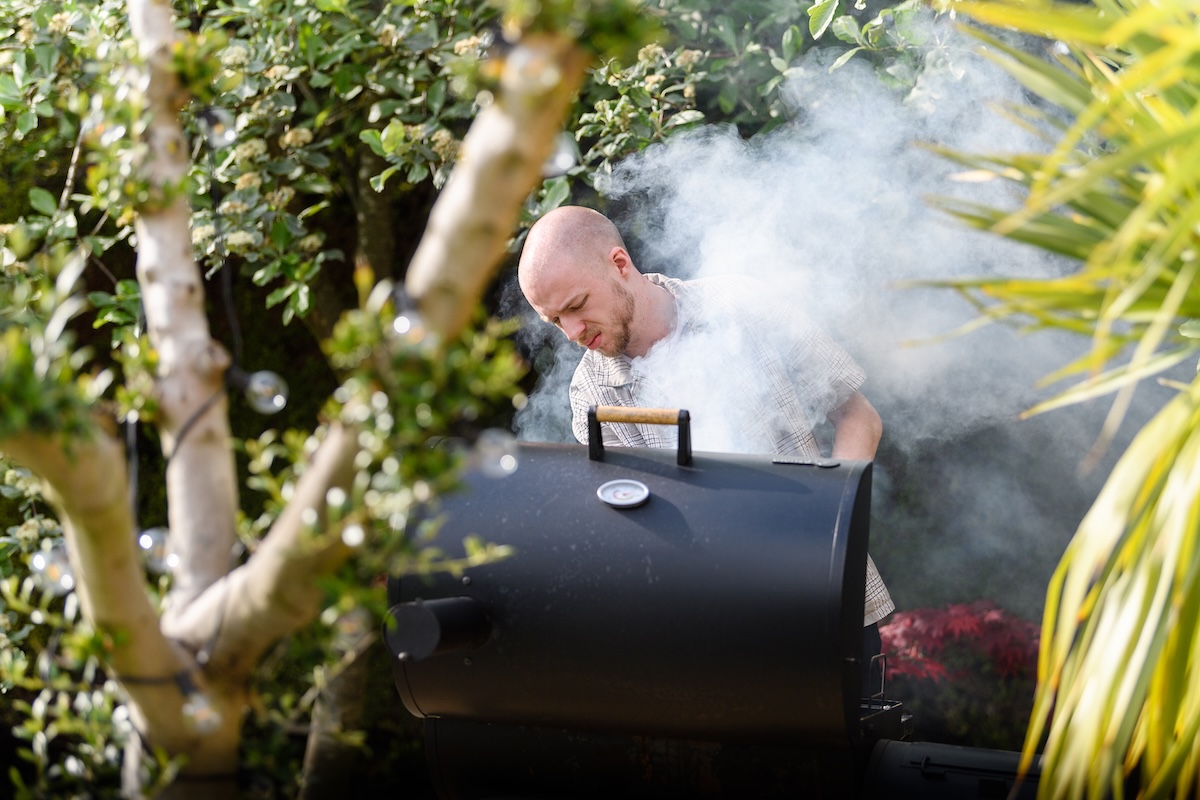
When the summer sun is blazing, the only thing that can beat a backyard gathering is a good grill. But if you’re looking to elevate your cooking game, a BBQ smoker is the secret weapon that turns ordinary meat into mouth‑watering masterpieces. Below, we’ll walk through why smokers matter, how to pick the right one, and a few pro tips to keep those ribs sliding off the bone.
1. Why a Smoker Beats a Conventional Grill
- Masterful Smoke Control: Smokers let you dial in the exact temperature—usually between 180°F and 250°F—without the distraction of flame.
- Flavor Depth: Wood chips (hickory, mesquite, apple, or cherry) infuse a smoky aroma that no charcoal can match.
- Low‑and‑Slow Precision: Slow cooking breaks down collagen for juicy, tender results—think brisket, pork shoulder, and even pizza dough.
2. Types of Smokers to Consider
| Type | Fuel | Pros | Cons |
|---|---|---|---|
| Electric | Plug‑in power | Portable, easy to use, no outdoor fire | Not as smoky; limited for big batches |
| Charcoal | Traditional charcoal or lump | Rich flavor; great for large cuts | Requires constant attention; less precise temp. |
| Wood‑Fire | Dedicated logs or wood chips | Classic taste; versatile | Needs a fire pit; slower to heat |
| Propane | Gas cylinder | Convenient; consistent heat | Adds cost; some smokers limit smoke flow |
3. Choosing the “Top‑Rated BBQ Smokers” for Your Kitchen
Finding the right smoker can feel like hunting for hidden treasure. Start by asking:
- Capacity: How many ribs or a whole turkey can it hold?
- Temperature range: Does it stay within your desired heat window?
- Ease of cleaning: Look for removable drip trays and accessible ash pits.
When you’re ready to buy, a quick online search of top-rated bbq smokers (remember to read the latest reviews) will give you a snapshot of what’s popular and well‑tested.
4. Pre‑Cooking Prep: Wood, Meat, and Marinades
- Wood Selection: Apple wood for poultry, hickory for beef, mesquite for anything that can stand it.
- Meat Marinating: A dry rub works best for smokers; add salt, pepper, paprika, and brown sugar.
- Temperature Check: Use a reliable probe to monitor internal heat; aim for 195°F–205°F for beef, 190°F for pork, and 165°F for poultry.
5. Smoking Techniques to Master
- Low and Slow: Keep the smoker between 200°F and 225°F for 10–12 hours on a brisket.
- The “Texas Crutch”: Wrapping the meat in foil once it reaches 165°F helps push through the stall.
- Rest Time: Let the meat rest for 20–30 minutes before slicing—juices redistribute, preventing a dry bite.
6. Quick FAQ
- Can I use a drip pan? Yes—most smokers have one; it catches fat and prevents flare‑ups.
- Do I need a water pan? Not mandatory, but a water pan helps stabilize temperature and adds moisture.
- How often should I clear ash? Every 4–6 hours for charcoal models; for electric or gas, keep the vents clean.
7. Wrap‑Up: Bring the Heat, Keep the Flavor
A smoker is more than a grill; it’s a culinary laboratory where patience meets passion. Whether you’re a seasoned pitmaster or a backyard enthusiast, investing in the right smoker can transform your cooking repertoire. Remember to check out that link for top-rated bbq smokers to start your journey with confidence. Happy smoking—and may your grill always be the center of the table!