




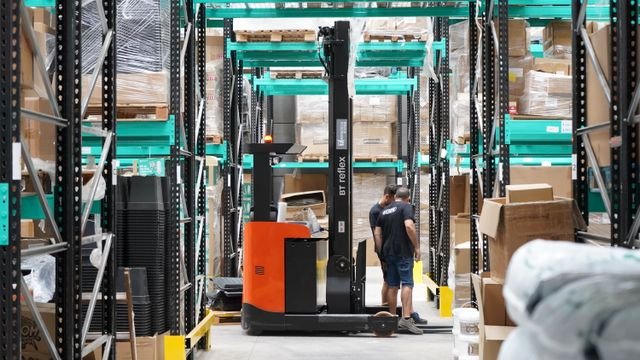
For warehouse space, the most useful area is not the whole space but the space that allows movement. Two businesses can have the same amount of pallets but totally different layouts because one queue turns weekly and another is in reserve for months. When storage is organised according to demand, it becomes easier to maintain inventory levels, reduces handling and improves accuracy.
Stock Classification by Movement Pattern
Start with orders and replenishment evidence – not assumptions about product importance. Lines that move quickly, seasonal stock, slow reserves and things waiting for a particular event all have varied access needs. The classification doesn’t have to be hard, but it should be reassessed, because a range adjustment or client shift might turn yesterday’s bestseller into tomorrow’s slow-moving inventory.
Location Accessibility Where It Adds Value
A pallet storage warehouse in melbourne can distribute sites according to turnover, dimensions, handling requirements and next planned transit. Easier placements for stock that is accessible frequently can be an advantage, and long term reserve stock can use space differently. The aim is to avoid wasteful travel and reshuffling, without constructing a layout so rigid that it cannot change.
Keep Your Location Data Accurate
If the system reflects the wrong location, a reasonable physical layout does not help. A consistent approach should be used to record every receipt, transfer, pick and adjustment. Scanning barcodes and unambiguous location markings can help mitigate manual ambiguity, and exception reports can allow teams to analyse differences before they impact an order. Reliable data transforms stored pallets into visible, useable inventories.
Incorporate Stock Rotation into the Process
Products requiring batch, date or sequence information require additional space available. The way information is received, labelled and location rules should facilitate the agreed rotation mechanism from the beginning. When working busy, it is easier to make errors when staff have to recall special instances without prompts from the system. There is a known rule of accurate rotation when it is part of natural movement and not an additional activity.
Plan for Racking Fills Ahead of the Peak
Pallet numbers might vary quickly due to promotions, imports and seasonal demand. Predict likely high point, expected arrival dates, order in which merchandise must leave. Overflow arrangements should continue to identify and have access. Advance planning capacity avoids putting urgent arrivals in wherever there’s a break in the schedule, which can create extra handling later.
Review Space & Service Together
Performance of storage needs to be measured beyond occupancy. See time taken to find stock, touches per pallet, inconsistencies, damaged items and speed of resupply or shipping. These measures show if the plan is able to accommodate the expanded supply chain. A warehouse is worth its keep when merchandise is safe, tracked and ready for the next business step.