




Every job site in Australia where concrete is being concreted, cut or ground results in dirty water that’s not only tricky to deal with but also throws up all sorts of regulatory headaches. The default response still seems to be just hose it all down a drain and get on with the job. That approach not only causes a lot of environmental damage it also breaks the law in most states & the consequences of getting caught are becoming all too clear especially with the EPA cracking down on the construction sector.
What You Really Need To Know About Concrete Slurry?
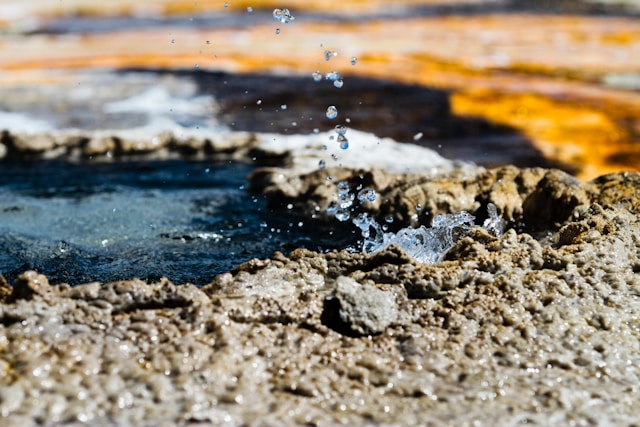
The idea that concrete slurry is just like muddy water is a pretty common mistake and for good reason but it’s just not true. The thing that really sets concrete slurry apart is its pH level a whopping 11 to 12 which is basically the same as dilute bleach, so it’s no wonder its considered a caustic substance. And it’s not just the water itself that’s the problem it also has a nasty effect on infrastructure, aquatic life and water chemistry. And then there’s the whole problem of suspended solids when these solids end up in stormwater pits & pipes they can cause problems including blockages further down the line. And you’d be surprised at how often this is the case. In NSW & Victoria, council workers are getting more and more fed up with dealing with construction sites clogging up stormwater networks with all sorts of nasty solids. Then there are the modern concrete mixes that have compounds we didn’t even used to worry about such as adhesives & other chemicals that just won’t settle & leave behind a nasty mess.
So What Are Your Options For Dealing With Concrete Waste Water In Australia?
If you manage concrete waste water disposal on site in Australia you’ve got four main options to choose from, each one suited to different jobs and circumstances.
- Solidification is basically a way of turning a liquid into a solid using an absorbent agent so you can then chuck it in a normal construction waste bin this one is good for small jobs where the volume of slurry is manageable.
- Separation & settlement involves using chemicals to grab hold of the solids & get them to settle out of the liquid so you can then chuck the solid away in a waste bin & deal with the liquid separately then you’ve got to check the pH level of that & get rid of it properly.
- Filtration is a way of using bags or filters to physically separate the solids from the liquid on site and you still have to check the pH level of the liquid afterwards.
- Recycling is a bit more involved you have to treat the water so it’s safe to re-use on site for things like cleaning equipment, or even as part of the mixing water supply on bigger commercial sites.
Whatever method you choose you’ve got to deal with both the solid & liquid bits trying to ignore one or the other just won’t cut it if you want to stay out of trouble.
What Australian State Frameworks Actually Require?
Victorian framework: The General Environmental Duty has been incorporated into Environment Protection Act 2017 to form the basis of legal obligations for any activities that pose a risk to environment. No exception has been made for construction industry. Contractors who manage their slurry in such a way that poses a risk of stormwater contamination are breaching this duty irrespective of whether there are any incidents occurring on any particular day. NSW framework: The Protection of the Environment Operations Act prohibits any water pollution. NSW EPA has been addressing requirements of construction industry in guidance material and has been conducting inspections campaigns targeted at construction sites. Both individuals and business organisations are penalised under this legislation.
Most of the local councils in both states run stormwater management programs that impose extra site-specific requirements. Requirements that relate to environmental conditions on development approvals have been requiring specific concrete waste water disposal management strategy as permit condition in many jurisdictions. Documenting management approach is becoming more common practice in commercial and controlled residential projects. In terms of regulation, site that does not document its management approach is as good as having no management approach.
Products And Systems That Close The Compliance Gap
The spectrum of on-site slurry management products has been evolving along with expectations:
- pH-reducing products help to make alkaline slurry suitable for the assessment of liquid portion for disposal; in most cases councils accept pH of less than 9 as acceptable limit.
- Products for solidifying concrete slurry deal with highly alkaline slurry and heavy solid content without creating any further hazards for handling.
- Dewatering bag systems do not require much setup and are suitable for small-medium cutting operations; bags are one-time use and filtered liquid should be tested for pH before disposal.
Choosing right system for slurry management at the beginning of the project is not only more operationally convenient but also legally safer way of doing things.