






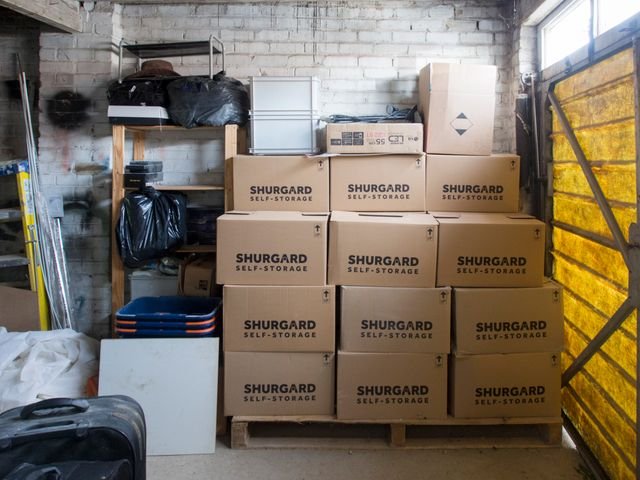
Garages tend to get cluttered over time because they are easy places to store things that don’t currently have a home. Camping gear sits next to Christmas decorations, moving boxes are in a corner behind extra chairs, and kids’ stuff just stays around long after they’ve outgrown it. It’s not always about having too much stuff. Very often it’s the absence of a system that separates the things we use often from those we only need to return to once or twice a year.
First, arrange your things according to when you will next need them. Create categories for the next month, the next season, yearly events, long-term archives and things that need to be out of the household altogether. Sorting by time can be easier than sorting by room, as it instantly highlights which things merit easy access, and which are occupying valuable everyday space for no practical purpose.
Sort by when you’re next going to use it
Storage port pirie options can make sense for seasonal equipment when the goal is to create a deliberate rotation rather than just move clutter to another location. Choose what to store based on a written inventory and projected use date. If you have no reason to keep an item, decide whether you’d rather sell, donate, recycle or throw it away. Then decide whether you want to pay to keep it in storage for the foreseeable future.
Don’t pack by whatever fits in a box, pack by season of return. Group beach gear together, winter bedding together, camping equipment together, holiday decorations in clearly marked containers. If you have a lot of boxes, add a simple table of contents on the outside of the box, and a more detailed digital inventory. It turns retrieval into a targeted visit, rather than a search thru anonymous cartons.
Packing for Retrieval Not Maximum Density
Group items by their material composition and storage requirements. Clean and dry camping gear before packing. Wash textiles. Empty appliances, where appropriate. Prevent moisture from being trapped in sealed containers. Fragile decorations need internal padding, while books and documents benefit from containers that protect them from dust and accidental crushing. Do not stack heavy boxes on top of delicate household goods merely to save floor space.
Build a rotation date into the calendar. A few weeks before the next season begins, retrieve what is about to become useful and take back items that are finished for the year. This creates a two-way flow and prevents the storage area from only filling up. Review the inventory at each swap and remove possessions that no longer justify their space.

Develop a Two-Way Seasonal Rotation
Seasonal storage works best when it is an external cupboard with rules, not a place for unresolved decisions. A time-based sort, clear inventory, careful packing and scheduled rotation can free the garage for parking, tools, hobbies or everyday equipment. More importantly, it keeps seldom used items accessible when their season returns without forcing the household to live around them the rest of the year.








Comments are closed.