



You usually only realize half way thru the job. soil is a lot harder than you expected to get through. The path to the spot really is tighter than it looked in pictures, and materials are piling up faster than the workers can move ’em out of the way. And suddenly what seemed like a straightforward project is dragging on, turning into overtime and extra manpower. That is normally when people start looking into mini loader attachments. Not because they want another machine but because they finally realize that the wrong setup can slow down the entire site to a crawl. And weirdly enough, most first-time operators focus on the specs of the loader itself while basically ignoring the one thing that really changes how useful the machine becomes once the work starts.
The first surprise that catches most operators off guard
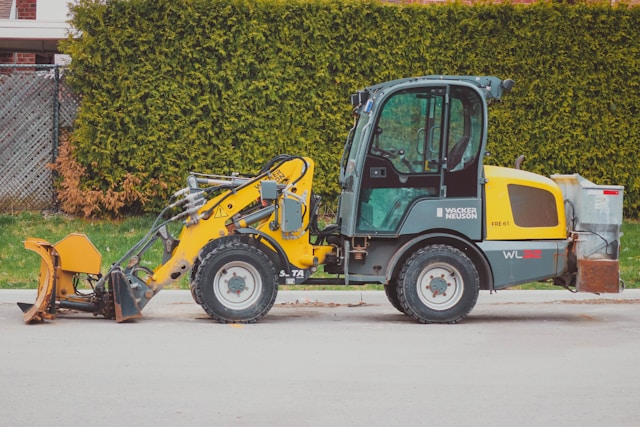
At first glance a mini loader doesn’t look too intimidating. Its compact, narrow and small enough to squeeze thru spaces bigger kit can’t even go near. But that simplicity tricks a lot of people into underestimating it. Then it starts doing some real work. What hits first timers by surprise is the heavy lifting that these small loaders can handle without messing up the turf or struggling in tight spots. We’re talking jobs that used to be backbreaking manual labour, like grading sand, gravel, mulch, soil, rocks, debris, and now can be handled by one bloke. But this is where the story usually goes wrong. Because the real capability isn’t coming from the loader itself. It comes from what you attach to it.
The attachment makes all the difference
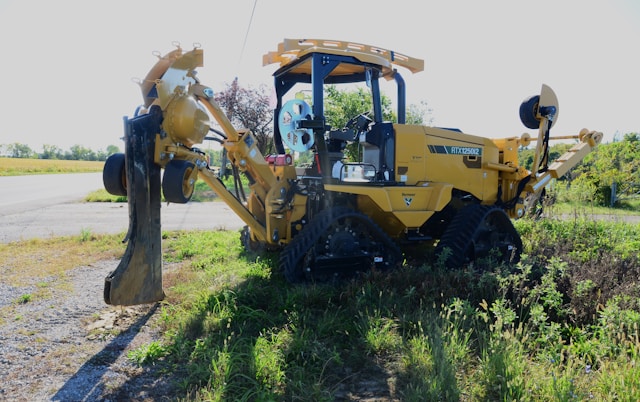
Most people start with a standard bucket attachment. That makes sense at first. Moving some soil around is usually the first job on site. Then the problems start piling up. Maybe there’s fencing that needs to go in. Maybe there’s trenches that have to be dug for drainage or irrigation. Maybe the compacted soil just refuses to budge. And suddenly one machine is expected to perform multiple jobs that would normally need multiple different tools. This is the point where mini skid steer attachments and other compact equipment tools stop feeling like a luxury. An auger for instance completely changes the game for fence work. Instead of digging hole after hole by hand while fighting uneven depths and stubborn ground, the machine can handle the hard part in no time. Then there’s trenching. And this is where a lot of operators finally get to see what compact equipment can do. Tight-access trenching can be really slow with the big machinery, especially on residential sites where access is limited and space is at a premium. A trencher attachment turns the same loader into something that can really adapt to the job at hand without needing another machine on site. That flexibility is what people remember after the project finishes. Not the horsepower. Not the spec sheet.
Where people choose the wrong machine?
This bit hardly ever gets discussed with a straight face. Mini loaders are capable machines, but they aren’t designed for everything. Some operators expect them to replace full blown excavation kit entirely, and that usually ends in frustration. Heavy demolition work, deep excavation, major tree removal and all that heavy lifting is still best left to the bigger machines. Trying to force compact equipment into oversized tasks only slows the project down and wears the machine out. Oddly enough, the people who’ve been around the block a few times get this straight away.
The problem nobody notices until its consequences add up
There’s another issue lurking in the background on many work sites that can have a major impact. Its name is Hydraulic Mismatch. Most operators think the problem lies with the attachment if performance is sluggish or inconsistent. But a lot of the time the issue is not the attachment itself, it’s the machine just isn’t up to handling the hydraulic demands of the tool being used. Before you know it, your productivity is quietly slipping away and it’s hard to put your finger on where the problem is. An auger may start to rotate a bit slower when given a hard time. Maybe a trencher starts to struggle when it hits compacted ground. Or you start to notice your machine overheating a bit too often these days. At first, these seem like small complaints. Then all these little issues start to stack up. That’s why experienced contractors are always checking the compatibility of their equipment before those who are new to the business might expect them to. Attachment performance isn’t just about physically attaching the thing to your machine. It’s about how well everything in the system works together on the job. You only learn that the hard way after wasting time on site.
Why working in tight spaces is suddenly a big deal?
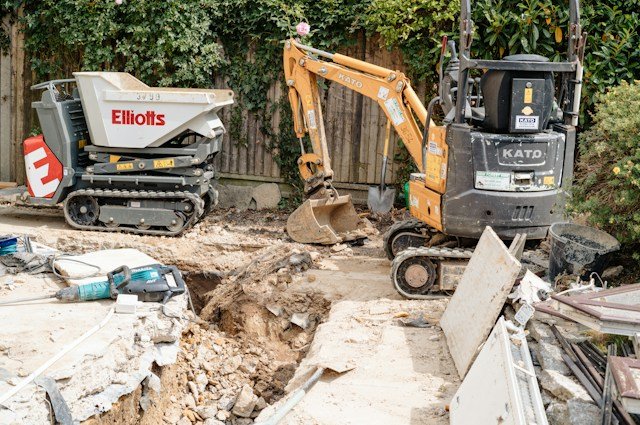
Construction and landscaping projects are changing, and it’s not just the clients who are demanding change. Residential developments are getting denser. Access paths are getting narrower. Clients are calling for less disruption, less damage to the land and a faster finish. Bigger machines just create more problems than they solve in these tight spaces. This is exactly why compact loaders and mini digger attachments have become so much more popular in landscaping and property maintenance work here in Australia. They’re small enough to get through side access areas, can operate in tight spots and reduce the need for bringing in lots of other machines to a site. Add the right attachments for your mini loader and you can do trenching, lifting, levelling, drilling and clean-up one after the other. That makes one machine with some decent attachments a whole lot more valuable than just going for a bigger machine. What most operators want more than just a big machine is momentum. Work keeps moving without getting stuck in traffic. And on busy jobsites, its often that uninterrupted flow of work that makes the difference between a job that makes a profit and one that leaves you feeling frustrated.
Safety is something most people get complacent about too early on
One weird thing about compact equipment is how quickly people get used to it. Too used to it, sometimes. Because mini loaders are smaller than some of the other machines, operators can get a bit sloppy. But these machines still have hydraulic systems, lifting limits, unstable surfaces and unsecured loads, just like the bigger machines. And ignoring those can get you into serious trouble. Experienced operators develop good habits fast. Daily inspections. Checking the ground conditions. Paying attention to what you are lifting. Securing any loads properly. And if you have to move the machine, release the pressure in the hydraulic systems before disconnecting. None of these things seem like a big deal until something goes wrong. Then suddenly they are the only things that matter.
Why mini loaders keep on getting more popular?
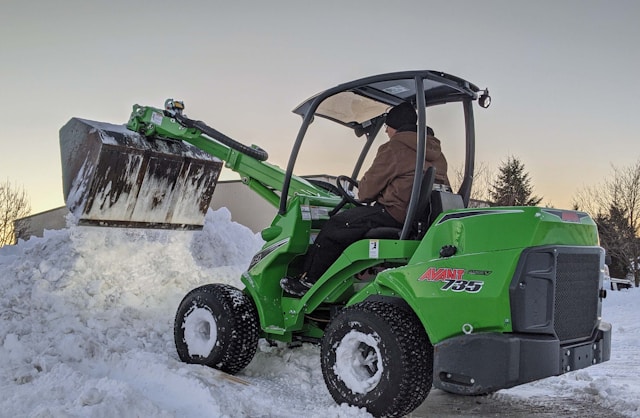
It’s not because they are small, it’s because they cut out all the hassle. Less manual labour needed. Faster movement around the site. Easier access. Less of a hassle to move the machine around. Better flexibility between jobs. Once you’ve had a taste of how much time you can save by swapping equipment or manual handling, compact loaders start to look like a no-brainer. And it usually takes a real project to make you see that. Not just reading some specs. That is why people who hire mini loaders for one short term job often end up using them again and again after that. Not because the machine looked impressive, it was the ease of use and the time it saved them on the job.